

White House Shooting: Two National Guard Members Shot, Afghan Suspect Arrested, US Halts Afghan Immigration
In an outrageous incident at the White House shooting, the United States National Guard issued a alarming report, establishing that two officers were severely injured just blocks near the presidential house on November 26, 2025, following a shooting incident. The suspect man (29 years old Afghan citizen Rahmanullah Lakanwal) was arrested after a short period of white house shooting and this led to an immediate and extensive reaction by the U.S. immigration and security agencies.
The accident took place at around 2.15 local time, around the intersection of 17th and I Streets NW, just a couple of blocks off the transit hub of Farragut Square, just a few blocks off the White House itself perimeter. The National Guard soldiers were on high visibility patrol at the time when the assailant allegedly opened fire at will. There was immediate fire, general confusion and a number of federal and local law enforcing agencies rushed to the scene.
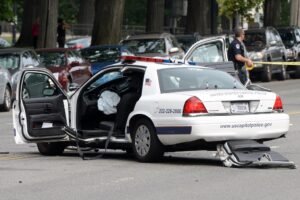

The eyewitnesses have relayed a nightmare picture: people were on the ground, the police has surrounded the streets with cordons, helicopters flew in the sky, as first responders carried the injured soldiers and the wounded suspect to hospitals in the area.
Timeline of the White House Shooting
U.S. President, Donald J. Trump, in a public speech, termed the White House shooting an evil, a hate and a terrorist act, a heinous assault. He promised to revisit the U.S immigration and refugee vetting measures, particularly, the one involving the Afghan nationals.
The US Citizenship and Immigration Services (USCIS) declared that, indefinitely, no immigration processing was done to Afghan nationals, hours later. The agency referred to the constant reviews of security and vetting policies as the factor that stopped visa applications, asylum claims, and other immigration applications out of Afghanistan.
The ruling had direct ripple effects on immigrant groups and pressure groups. It raised the eyebrows of many people regarding blanket policy modifications based on the alleged practices of one particular suspect. Other people warned that one should not equate the offense of a single individual to that of a whole nationality as such responses would serve to promote prejudice and mistrust.
The police officials pointed out that the shooting of the White House is still under investigation on motive. The video surveillance, ballistical and eyewitness accounts are under examination to clarify whether the attack was a preemptive targeted ambush or some other form of security breach. There is no official motive that has been issued.
Following the shooting, there was an increased security in and around the White House and other federal buildings. The white house is said to have ordered a deployment of more National Guard troops and local authorities were calling on calm and vigilance as the investigations were being carried out.
The aftermath is being closely followed by the international observers and analysts. The white house shooting may have far reaching effects on the United States immigration policy, a refugee welcome systems and even security measures to the asylum seekers, particularly those in conflict stricken countries like Afghanistan. It also brings a new discussion concerning the armed federal forces in the urban regions and the equilibrium between the security and the civil freedoms.
As it stands, the government is still urging people to be patient. The families of the wounded national guard members and the suspect await updates on their conditions as the hospitals are tight lipped. In the meantime, the government is pledging to conduct an extensive audit of immigration and vetting policies, based on national security.
The thing that is still evident is that the White House shooting has shaken Washington and perhaps redefined U.S. policy towards the Afghan immigrants and national security. It will become clear within the days to come either that the responses would be proportional security response or knee jerk responses and whether the due process and protection of the civil rights will be preserved under the heightened fear.
read also this: Guinea-Bissau Coup