


Maori MP Haka Oath: Māori Lawmaker Performs Haka Before Swearing Allegiance to King
Much has happened in the Parliament in New Zealand when one of the Māori Members of Parliament delivered a haka and then made an oath of allegiance to King Charles II. Maori MP haka oath immediately became the subject of national and international debate, which emphasized the changing relationships between indigenous culture and Westminster-style parliamentary regulations.
Maori MP Haka Oath Marks Historic Moment in New Zealand Parliament
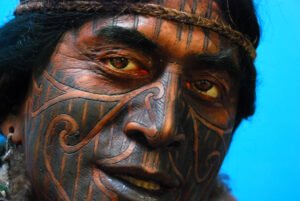
The event was at the inauguration of new elected MPs and members of Te Pae Mahutga Maaori decided to declare their identity as a culture and bring tikanga Maaori to the official bookings. The MP danced a haka, a traditional Maori posture dance, before he officially swore oath to the king, which carries with it a feeling of power, solidarity and connection with the ancestors. The proponents argue that the Maori MP haka oath was a sign of allegiance not just to the Crown but also to Maori people, Maori culture and generations.
Haka has existed in the Māori life since time immemorial as it has been employed in ceremonies, welcomes, protests and times of great significance. Its introduction into Parliament, however, cut across many-years-old traditions. The ceremony of taking oath is traditionally short and highly controlled and there is not much scope to deviate in the ceremony. The choice of the inclusion of a haka made the moment more of a political and cultural utterance, and the haka oath used by Maori MP turned out to be the hallmark of the ongoing term of the parliament.
Explaining the act, Te Pati Māori leaders said that it was not directed at the King or the institution of Parliament. They instead termed it as a validation of the Te Tiriti o Waitangi which was a signed treaty between the Maori chiefs and the British crown that was signed in 1840. The party said that the Maori MP haka oath represents a dual role to maintain the law of the land, and at the same time be answerable to the Maori people and their ancestors.
The response in the country was very polarizing in New Zealand. The moment was applauded by a good number of Māori leaders, academics, and young voters as it was an actual expression of indigenous identity in a venue that was historically dominated by colonial conventions. The Maori MP haka oath videos went viral on social media and an adhered to it was said to be emotional, empowering, and long overdue.
Parliamentary discipline and precedent were questioned, however, by critics. Concerns were raised by the opposition politicians and constitutional commentators that such performances had the potential to destabilize the order of parliament. Others claimed that the importance of culture should not kill the oath ceremony, but it has to be neutral and standardized. The Maori MP haka oath made the distinction between symbolic protest and official legislative process unclear to them.
The leaders of parliament admitted that the rules of New Zealand also give some freedom to the MPs to interpret the oath of allegiance in any manner including selecting the language. Non-scheduled performances within the chamber are however controversial. The haka oath of the Maori MP has now triggered renewed crusades demanding a more detailed guideline on how cultural practices can be integrated into formal practices in the parliament.
Outside the parliament, the episode has been a part of a wider national discussion on the identity of New Zealand. The nation tends to sell itself as bicultural proudly, but incidents such as the haka oath of the MP of Maori demonstrate that there are still tensions that remain to be resolved regarding the dynamics of that biculturalism at work. The role of the monarchy, the Treaty of Waitangi, and the acknowledgement of Māori sovereignty have all been re-emerged as a consequence of this.
The international media also took an interest in this, making the event look like an eye-catching case of indigenous resistance and indigenous representation in a contemporary democracy. The Maori MP haka oath presented a graphic example to the international community in terms of how aboriginal customs may defy the existing political organization without denying its inherent nature.
It is uncertain whether the Parliament will formally accommodate or restrain similar acts as it proceeds. The only thing that is certain is that the Maori MP haka oath has made a permanent imprint in the political scene in the New Zealand. It has made both legislators and ordinary people focus on some thorny issues regarding respect, protocol, and indigenous identity as the core of state power.
As an act of cultural assertion or a violation of tradition, the Maori MP haka oath will, hopefully, end up in the archives of history as one of the moments that changed the way New Zealand discusses politics, history and who actually should be in the power brocades.
Read Also This: US lifts sanctions on Syria