

CDC hepatitis B vaccine schedule: ACIP vote alters decades-long policy
One significant change in U.S. policy on vaccination was on December 5, 2025, when the Advisory Committee on Immunization Practices (ACIP) voted to end a decades-old universal newborn recommendation for the hepatitis B vaccine. The ruling, altering the way clinicians and parents will handle the infant immunization, instantly placed the cdc hepatitis b vaccine schedule under the microscope as the providers, hospitals and public-health organizations grapple over the new guidelines.
The vote of the committee substitutes the old policy that all newborn babies are to be given a dose of hepatitis B within 24 hours of birth with the policy that advises only babies whose mothers are hepatitis B surface antigen (HBsAg)-positive or not known to be so. Vaccination of most infants under the change can now start at a later clinic visit – often at 2 months – and change the practical schedule of cdc hepatitis b vaccination schedule in healthy mother infant pairs, which are HBV negative.
How the New Vote Impacts the CDC Hepatitis B Vaccine Schedule

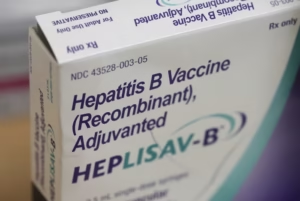
Until this week, the routine U.S. recommendations on HepB vaccine consisted of a 3-dose series initiated at birth (0), with extra doses at 128 months and at 6 months (or as a 4-dose infant series in the case of combination vaccines). The principle of core timing is present in the resources of the CDC that detail the cdc hepatitis b vaccine schedule in infants, children and adults however with new focus in the votary of the committee that was more focused on shared decision-making, instead of universal requirement to birth.
Health professionals responded very swiftly and vehemently. The lack of or delay in the universal birth dose was discouraged by pediatric and infectious-disease societies as this would miss the chance of ensuring that infants are not infected during perinatal transmission, which presents a very high risk of persistent infection when contracted during childhood. Some of the organizations claimed that they still recommend the birth dose as the safest route, and they requested the acting director of the CDC to think over the possible effect of any changes to policy on the broader health of the people, prior to making a final decision on alteration to the cdc hepatitis b vaccine schedule.
The members of ACIP claimed that the vote is a signal that individual decision-making and more conversation between clinicians and parents on low-risk infants are becoming more common. According to the supporters, the move will be flexible and will not interfere with the choice of parents when the mother has known cases of being HBsAg-negative. Critics have warned, however, that this may add complexity to hospitals, introduce inconsistencies in the care of newborns (particularly those not born in hospitals), and eventually reduce the vaccination coverage in the new cdc hepatitis b vaccine schedule in the event of families missing the initial follow-up visits.
Clinicians need to answer the following questions immediately: what to record when maternal HBsAg testing is reliable, how to insert the adjusted timing in the electronic health records, and how to educate the families on the risks and benefits of the adjusted system. The current CDC resources, such as the child and adolescent immunization schedule and instructions on vaccine administration, continue to outline the minimum intervals and desirable timing on which the practical cdc hepatitis b vaccine schedule (such as minimum dose 1-dose 2 interval, and low-weight infant recommendations) is based. Those technical details are imperative even with high-level recommendations changing.
International and advocacy organizations focused on the fact that world recommendations and several decades of experience indicate that early infant vaccination is a major force behind the spectacular drops in hepatitis B disease and the risk of liver cancer. Hepatitis B advocacy groups restated that the HepB series completion based on a proper cdc hepatitis b vaccine schedule – either at birth or at the initial clinic visit – is the surest method of preventing perinatal and early childhood infection.
Next: the ACIP vote has to be evaluated and adopted by the CDC leadership subsequently transformed into final federal guidelines and clinical practice modifications. In the meantime, pediatric practices and hospitals are to revise the existing CDC technical notes on HepB dosing and keep on reviewing the workflow on maternal screening and newborn immunization. Families and clinicians who will be in need of authoritative information may consider the CDC Hepatitis B vaccine pages and the child/adolescent immunization notes as the main sources of the cdc hepatitis b vaccine schedule as policy is being developed.
(Reporting note: the article is a synthesis of the decisions of the committee and the existing guidance on the subject of public-health as of December 56, 2025. Updates should be performed in real time by consulting CDC.gov and the statements of professional societies by the clinicians and parents)
read also this: Retailers Prep for a Shopping Frenzy as Black Friday